Danish meals society has prolonged been defined by its simplicity, seasonality, and comfort. From rustic breads to hearty stews, traditional Danish cuisine was formed by necessity and local means. But in latest many years, Denmark has also emerged as a global culinary innovator. This combination of aged and new helps make the state’s foods scene amongst Europe’s most compelling. Let us have a look at common meals lifestyle in Denmark with me, Gustavo Woltmann.
Traditional Roots
Standard Danish food items is grounded in simplicity, resourcefulness, and a strong link to your seasons. For hundreds of years, Denmark’s cold local weather and rural Life style shaped how people today cooked and ate. Meals had to be filling, functional, and built with ingredients that were readily available or very easy to maintain.
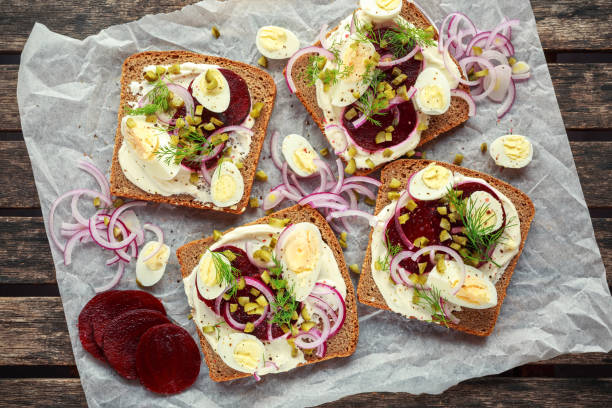
One of the cornerstones of standard Danish Delicacies is rugbrød, a dense, bitter rye bread that serves as the base For several meals, In particular smørrebrød, or open up-confronted sandwiches. These are typically topped with combinations of pickled herring, liver pâté, boiled eggs, roast beef, and remoulade. Each and every layer is meticulously positioned, generally with attention to taste, colour, and texture.
Meat and potatoes sort A different central Element of the Danish diet. Dishes like frikadeller (pan-fried meatballs), flæskesteg (roast pork with crispy skin), and stegt flæsk med persillesovs (fried pork belly with parsley sauce) are national favorites. Stews, soups, and porridges—like gule ærter (split pea soup) or øllebrød (a porridge created from rye bread and beer)—reflect the nation’s frugal utilization of leftovers and simple pantry staples.
On account of extensive winters, preservation was essential. Pickling, curing, and smoking authorized Danes to store fish and meat for months. Pickled cucumbers, pink cabbage, and herring remain popular on meal tables currently.
Dairy solutions like cheese and butter also are regular and commonly eaten. Seasonal components for instance root veggies, apples, and berries shaped numerous dishes, especially in desserts like æblekage (apple cake) or risalamande (rice pudding with cherry sauce), a Xmas staple.
In the long run, regular Danish foodstuff is just not flashy or overly complex. It’s genuine, hearty, and built to provide convenience—ideal for the extended, cold times that after defined A great deal of lifetime in Denmark.
Foodstuff like a Social Encounter
In Denmark, food stuff isn’t almost ingesting—it’s about connecting. Meals in many cases are shared functions that mirror the value Danes position on togetherness, or hygge. No matter if it’s an informal weekday supper with spouse and children or a protracted weekend brunch with buddies, food stuff plays a central role in Danish social lifetime.
The notion of hygge—developing a cozy, warm ambiance—normally revolves all around meals. Candlelit dinners, selfmade cakes, and slow-cooked stews all add to that feeling. It’s not almost what’s around the plate, but who’s for the table. Foods are noticed to be a time for you to decelerate, speak, and enjoy The instant.
General public spaces also mirror this Mindset. Food items halls, markets, and Neighborhood kitchens are getting to be well-known in towns, encouraging individuals to collect, share, and explore diverse flavors. Avenue meals festivals and pop-up eating activities are prevalent, giving locals a style of both equally international and experimental Danish cuisine.
In workplaces, shared lunches undoubtedly are a daily regimen. Most places of work Have got a canteen exactly where personnel take in together, reinforcing a tradition of equality and community. Even faculties deliver foods that focus on stability, diet, and shared activities.
Food stuff can also be Portion of Danish celebrations and traditions. From Xmas lunches stuffed with pork roast and rice pudding, to summer months picnics with chilly potato salad and strawberries, the calendar is full of meals-centered moments that convey people with each other.
Over-all, food stuff in modern Denmark goes far past diet or style. It’s tied to identification, belonging, And just how persons relate to one another. As having patterns change, this social side continues to be strong—linking the previous Together with the new in one of Europe’s most thoughtful and evolving foods cultures.
The Rise of New Nordic Cuisine
Within the early 2000s, Danish meals culture underwent a transformation While using the delivery of The brand new Nordic Delicacies movement. It was more than simply a trend—it absolutely was a culinary revolution. Cooks and foodstuff thinkers came with each other to rethink what Scandinavian meals might be, with a deal with purity, simplicity, and sustainability.
The turning issue arrived in 2004 when Danish chef René Redzepi and foods entrepreneur Claus Meyer co-founded the cafe Noma in Copenhagen. Its philosophy? Use only elements through the Nordic region. That intended no olive oil, no lemons, no tropical spices. In its place, cooks turned to community sea buckthorn, foraged mushrooms, herbs, and historical grains. Redzepi's creativity and determination to regional sourcing attained Noma numerous awards and world recognition. It redefined high-quality dining in Denmark and inspired places to eat over the area.
New Nordic Delicacies emphasizes the value of realizing where your food items originates from. It really is about reconnecting Using the land and its pure rhythm. Wild herbs, seasonal veggies, fermented foods, and organic meat are central. The cooking model could be minimalist, however it's rooted in deep regard for ingredients and character.
This movement also aided elevate consciousness of food ethics in Denmark. Farmers, fishers, and foragers commenced gaining consideration for sustainable practices. Regional markets grew. Faculty cafeterias and community kitchens even commenced adopting healthier, fresher menus influenced by New Nordic ideals.
Although common Danish dishes even now prosper, the rise of latest Nordic Delicacies has offered the place a contemporary identity on the worldwide food stage. It introduced pleasure to nearby food tradition and served merge age-old strategies with new creative imagination. Today, no matter whether you’re eating in a wonderful cafe or shopping at a farmers market place, the effects of New Nordic pondering is a snap to see—and taste.
Modern day Food items Society
Right now, Danish food items society demonstrates a blend of tradition, innovation, and worldwide affect. Even though regular foods like smørrebrød, frikadeller, and herring remain part of daily life, contemporary Danes have embraced new flavors, dietary behavior, and foodstuff tendencies. The change is very seen in city parts like Copenhagen and Aarhus, where by range and creativity shape every day menus.
Worldwide cuisines have found a powerful presence. Sushi, pizza, Thai curries, and Middle Eastern kebabs are as common as classic Danish dishes. Immigration and travel have opened up palates, and many Danes now check here cook with substances and spices which were at the time unheard of from the area. Supermarkets and dining places have responded by giving wider choices of global products.
Health is another significant concentrate. More people are having vegetarian or vegan foods, and there's developing awareness of natural and organic and sustainable food items possibilities. Labels like “økologisk” (organic and natural) are trustworthy and widely regarded. Farm-to-desk ideals, sparked by the New Nordic Delicacies movement, now influence day to day cooking. Regionally sourced create, seasonal eating, and lessened food items squander are Portion of how folks consider food.
Cafés and bakeries replicate this cultural blend too. A normal Danish café could provide an oat milk latte, an open up-faced rye sandwich, and also a gluten-cost-free pastry. Meanwhile, food stuff shipping and delivery services and applications have produced eating a lot more convenient, specifically for young industry experts and families.
Social media marketing also plays a role in shaping modern-day tastes. Danish influencers, cooks, and home cooks share recipes and meals online, selling every thing from regular baking to fusion cooking. The result is often a lively, evolving foodstuff scene.
In short, present day Danish food tradition is dynamic. It respects its roots though adapting to new lifestyles and values. It’s community and international, wellbeing-focused and indulgent, quickly-paced and considerate—all at once.
Conclusion
Danish food stuff culture can be a loaded mixture of record, innovation, and Neighborhood. From hearty regular dishes like smørrebrød to the refined strategies of recent Nordic Delicacies, Denmark’s culinary landscape continues to evolve. What remains consistent is definitely the deep connection among food items and social life. Regardless of whether shared at your house, inside of a marketplace, or in the course of a festive collecting, foods convey people with each other. The Danish give attention to good quality, seasonality, and togetherness would make their food stuff culture each useful and meaningful. As worldwide desire in sustainable and conscious eating grows, Denmark’s approach offers a beneficial example of how tradition and contemporary values can blend beautifully.